
Disease Library
Reference guide for the 2 maize diseases detected by MaizeGuard AI
Maize Blight (MB)
Exserohilum turcicum
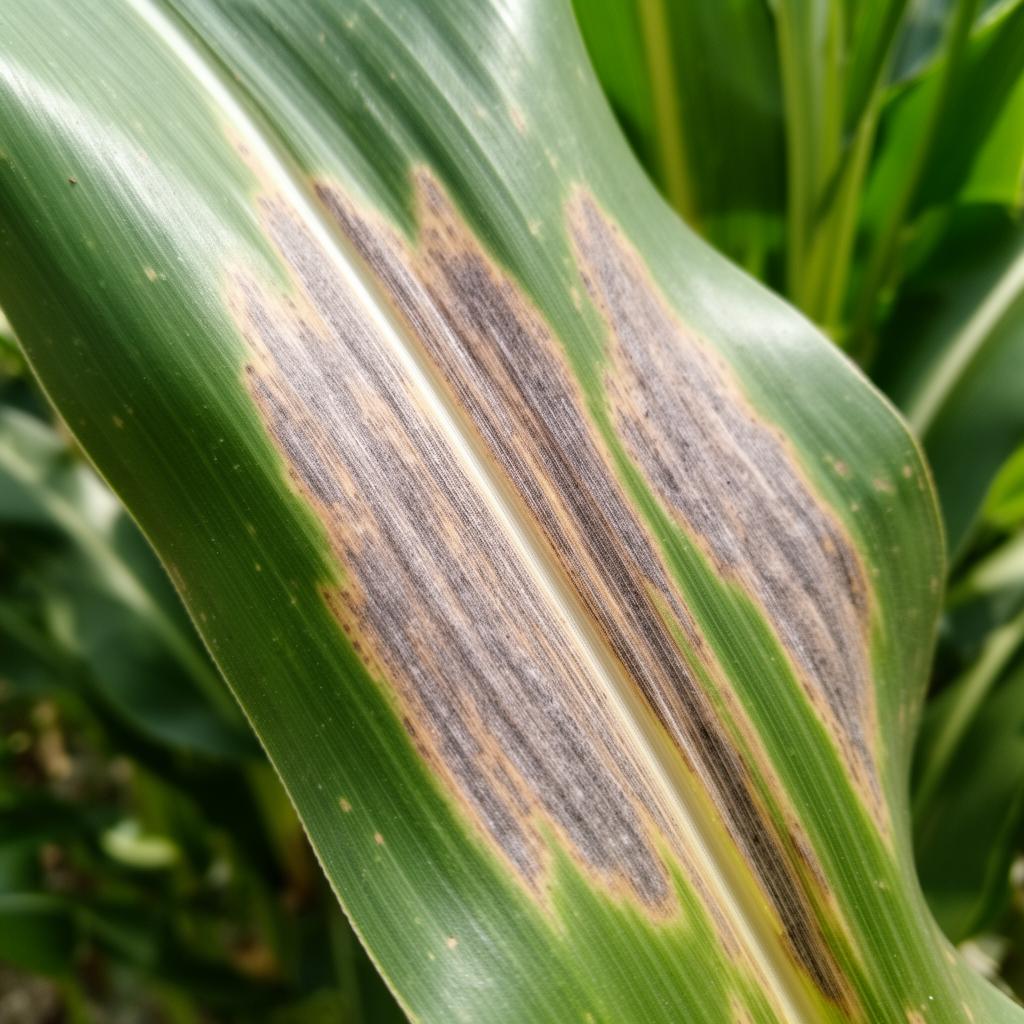
Symptoms
Long, elliptical gray-green lesions on leaves that can grow several inches. Lesions may merge, killing large leaf areas and reducing photosynthesis.
Yield Impact
Up to 70% yield loss in epidemic years
Common In
Moderate temperatures with prolonged leaf wetness. Worsened by continuous maize cropping and minimal tillage.
Prevention
- •Rotate crops — avoid planting maize after maize
- •Select tolerant or resistant maize varieties
- •Apply foliar fungicides at early signs of infection
Maize Rust (MR)
Puccinia sorghi
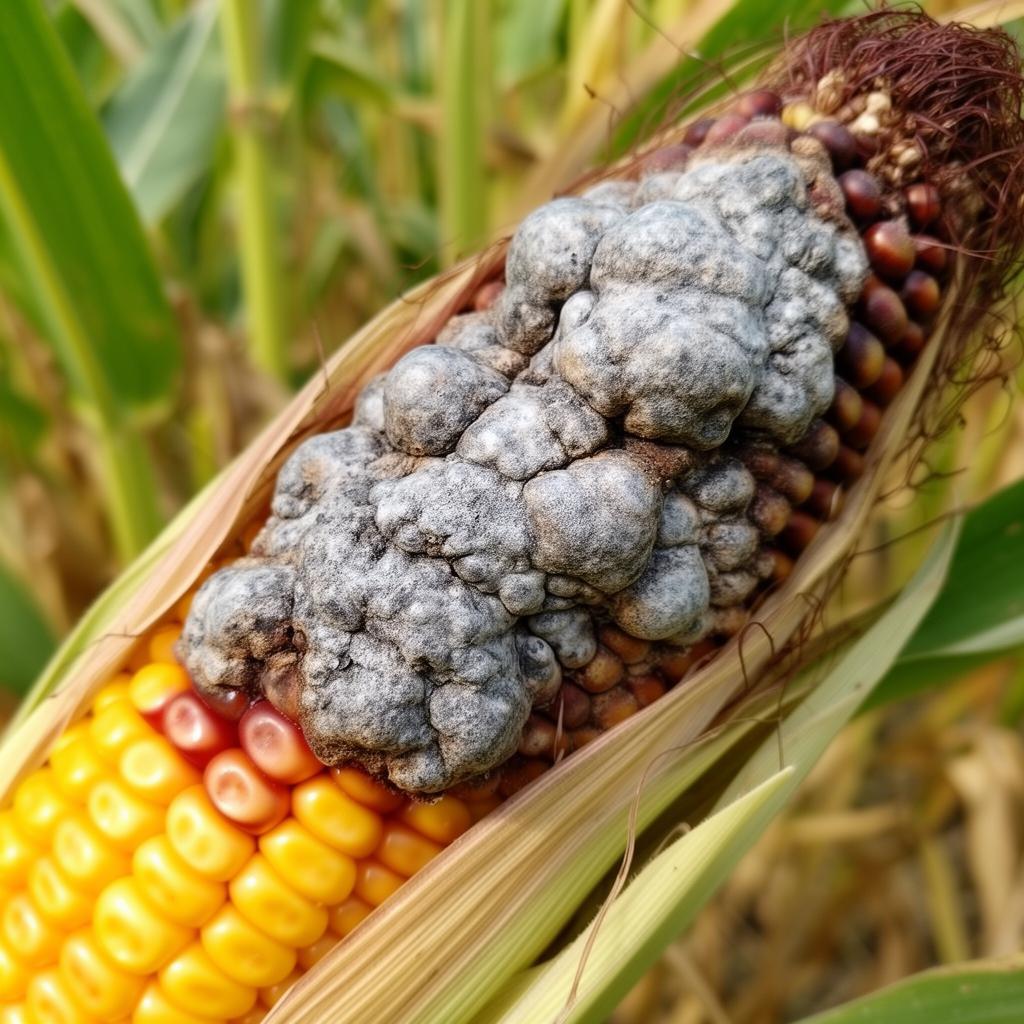
Symptoms
Small, circular to elongate reddish-brown pustules on both leaf surfaces. Pustules rupture to release powdery rust-colored spores.
Yield Impact
10–20% yield loss typically
Common In
Cool to moderate temperatures with high humidity. Spores spread rapidly by wind over long distances.
Prevention
- •Plant resistant maize hybrids
- •Scout fields regularly for early detection
- •Maintain balanced soil fertility — excess nitrogen increases susceptibility
Healthy Maize (HM)
Zea mays (No pathogen detected)
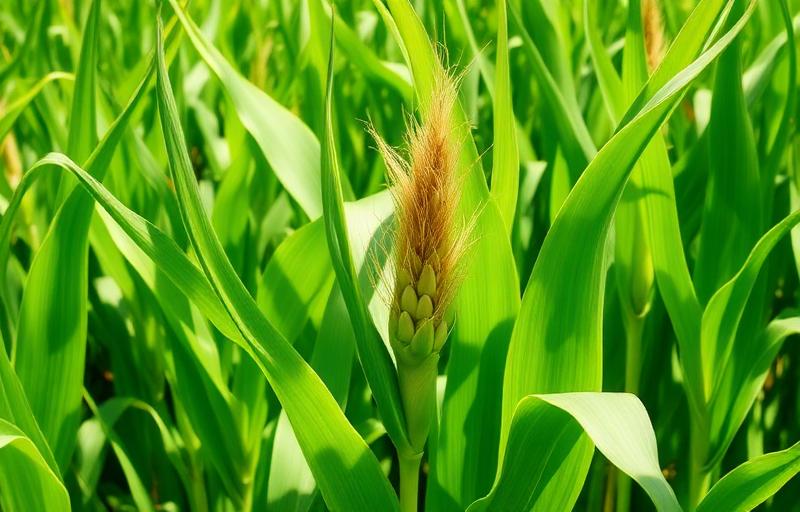
Symptoms
No visible lesions, discoloration, or abnormal growths. Leaves are uniformly green with smooth surfaces. Stalks are sturdy and ears develop normally.
Yield Impact
No yield loss — optimal growing conditions
Common In
Well-managed fields with proper crop rotation, balanced fertilization, and adequate moisture.
Prevention
- •Continue regular scouting to catch issues early
- •Maintain balanced soil nutrition through soil testing
- •Practice crop rotation and proper residue management